Ayzelify home
Guide page
Leather Jacket Photoshoot Workflow for Manufacturers
Leather jackets sell through texture, structure, fit, stitching, hardware, lining, and perceived quality. A biker jacket, cafe racer, bomber, aviator, trucker, hooded leather jacket, field jacket, blazer, or long coat can look premium in a campaign image and still fail buyer review if the grain, seam lines, collar shape, zipper finish, lining, sleeve length, pocket placement, waist fit, and material wording are unclear. Google Product structured data guidance shows why ecommerce pages should keep product facts such as images, price, availability, shipping, returns, ratings, and variants consistent when pages are eligible for richer search presentation. Google Merchant product data guidance also treats title, description, image, size, color, material, condition, availability, and landing-page consistency as operational inputs for shopping visibility. FTC Leather Guides add the leather-specific layer: marketers should avoid misleading leather, split leather, bonded leather, coated leather, and imitation leather claims, and non-leather content should not be hidden when the product appears to be leather. FTC textile and care guidance also matter for mixed-material jackets because shell, lining, trim, filling, country of origin, and care instructions can require review. This guide explains how leather jacket manufacturers, Sialkot exporters, private-label outerwear teams, Shopify brands, Alibaba suppliers, and marketplace sellers can use Ayzelify AI Leather Jacket Photoshoot Generator to create reviewable product images and move approved directions into listing, catalog, buyer-presentation, and production-handoff assets without inventing genuine leather, durability, origin, lining, hardware, fit, or care claims.
Create leather jacket photos
Short answer
A leather jacket photoshoot workflow should treat the jacket as a high-inspection product: leather type, grain, finish, paneling, stitching, hardware, lining, collar, sleeve length, pocket map, fit, model pose, lighting, and ecommerce data all need review. Ayzelify can generate leather jacket visuals and commerce assets, but final leather composition, imitation-leather disclosures, measurements, origin, care, durability, and product data need human approval.
Why this matters
Leather jacket photoshoots need category-specific structure: jacket type, leather or imitation leather wording, grain, finish, paneling, stitching, hardware, lining, collar, pockets, cuffs, hem, and fit.
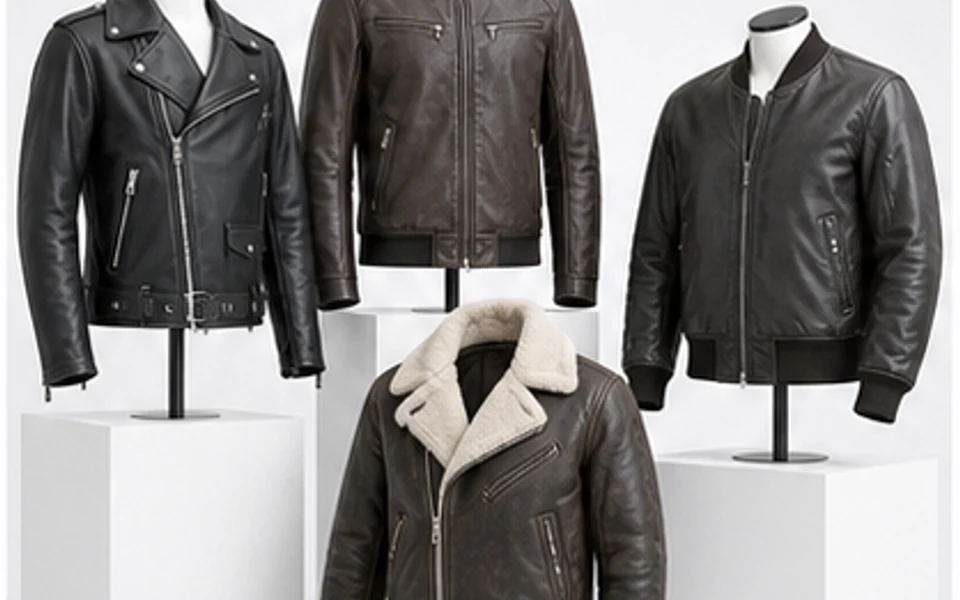
A reviewable image set should include product-only views, model or mannequin views, texture closeups, stitching and zipper macros, lining views, scale views, and campaign context.
Product copy should not invent genuine leather, full grain, top grain, suede, nubuck, bonded leather, vegan leather, hand-waxed finish, YKK hardware, origin, durability, or care claims without proof.
Marketplace readiness depends on consistent titles, descriptions, images, size, color, material, variants, price, availability, shipping, returns, care, and landing-page facts.
SEO and GEO value comes from precise leather outerwear language, useful FAQs, internal links, alt text, Product structured data awareness, and answer-ready claim-review guidance.
Practical guide
Start with jacket style and material truth
A credible leather jacket photoshoot starts with the product type and material facts. Biker, perfecto, cafe racer, bomber, aviator, trucker, hooded, blazer, field, cropped moto, and long coat styles all need different collar, zipper, pocket, cuff, hem, and model-fit treatment.
The material brief should separate confirmed facts from visual direction. If the product is full grain, top grain, split leather, suede, nubuck, bonded leather, coated leather, PU, PVC, faux leather, vegan leather, or a mixed-material jacket, the public copy should match supplier documentation instead of the generated look.
Ayzelify works best when the brief states the jacket type, leather wording, finish, color, lining, hardware, size range, sales channel, and exact views needed for buyer review.
Use texture and stitching views as inspection proof
Leather jacket buyers inspect surfaces closely. Grain, wrinkles, sheen, pull-up, suede nap, distressing, quilting, perforation, panel joins, stitch lines, and edge finishing all influence whether the jacket reads as premium or inconsistent.
A strong image set should include clean front and back views, then closeups for texture, stitching, zipper tape, snaps, pockets, sleeve cuffs, waistband, and collar. These closeups should support inspection, not invent material proof.
Generated texture should be reviewed against the real sample or approved material swatch. A closeup can show a desired direction, but it does not prove leather grade, tanning method, coating, water resistance, or durability.
Show fit, lining, and hardware before campaign mood
Premium leather visuals need fit clarity. A model image should show shoulder width, chest ease, sleeve length, waist shape, back length, collar height, and how the jacket sits open or closed. Ghost mannequin or product-only views help keep construction visible without styling distraction.
Open-front and lining views are especially useful for leather jackets. Buyers want to see quilted lining, shearling, polyester lining, internal pockets, labels, zipper guards, and whether the jacket feels finished inside.
Hardware also needs specific views. Zippers, pullers, snaps, buckles, waist tabs, cuff snaps, and pocket edges should be photographed or generated as reviewable details before the campaign image becomes the main sales asset.
Make leather wording and product data match the visible jacket
Search and shopping systems need consistent product information. If the image shows a black cafe racer jacket with stand collar, silver zippers, and quilted lining, the title, description, material, color, size, variant, price, availability, shipping, returns, and structured data should describe that exact jacket.
Google Product structured data and Merchant product data guidance both reinforce this operational rule: product pages, feeds, images, variants, and landing-page facts should not contradict each other. For leather jackets, material wording is especially sensitive because buyers rely on it to understand value.
FTC Leather Guides make this practical. If a jacket appears to be leather but includes imitation leather, bonded leather, coated material, or non-leather sections, the language should be reviewed instead of letting the image imply more than the product supports.
Move approved leather jacket photos into production and sales review
After the photoshoot direction is approved, the manufacturer still needs a production handoff. Notes should cover shell material, lining, interlining, leather thickness if verified, panel layout, zipper lengths, snaps, pullers, labels, measurements, size grading, packaging, and QC checks.
Sales teams need a different package: hero image, model fit image, front-back-side gallery, texture detail, hardware closeups, lining view, short description, feature bullets, specification table, care note, customization options, MOQ context, and buyer questions.
Ayzelify is strongest when the same approved leather jacket direction feeds photoshoot, listing copy, catalog assets, product data, and tech-pack preparation. That keeps the product story aligned from first image to buyer review.
Common questions
What should a leather jacket photoshoot workflow include?
It should include jacket type, material facts, grain and finish direction, front, back, side, open-front lining view, texture closeups, stitching details, hardware macros, model fit, listing fields, and claim-review status.
Can AI-generated leather jacket photos be used directly in ecommerce listings?
They can support concepts, gallery planning, catalog assets, ads, buyer presentations, and reviewed listing assets, but the final page should not misrepresent leather composition, fit, lining, stock status, origin, durability, care, or the actual product being sold.
Which views are most useful for leather jacket product pages?
A useful gallery includes front, back, side, three-quarter, open-front lining view, collar detail, zipper and snap macro, pocket detail, cuff and hem detail, leather texture closeup, model fit, and clean catalog hero.
What leather jacket claims need human approval?
Full grain, top grain, genuine leather, split leather, bonded leather, suede, nubuck, vegan leather, hand-waxed finish, tanning method, hardware brand, origin, durability, waterproofing, lining composition, and care instructions should be verified before publication.