Ayzelify home
Guide page
Hunting Jacket Product Design and Photoshoot Workflow
A hunting jacket is not sold by silhouette alone. Buyers inspect season, terrain, camo context, quietness, weather protection, insulation, hood shape, pocket access, pack compatibility, cuff adjustment, scent-control claims, blaze orange visibility, and whether the jacket looks usable in the field. A clean catalog image helps, but outdoor suppliers also need context: tree stand, upland field, cold mountain glassing, wet brush, fishing crossover, or early-season layering. Google Product structured data guidance shows why ecommerce pages should keep product facts such as price, availability, shipping, returns, images, variants, and apparel sizing consistent when pages are eligible for richer search display. Google Merchant product data guidance also treats accurate titles, descriptions, images, size, color, material, and landing-page consistency as essential for ads and free listings, and it now includes digital-source labeling options for generated titles, descriptions, and creative in some contexts. FTC textile guidance adds the production layer: jackets sold into US-facing channels need reviewed fiber, country-of-origin, and related label facts, while care labeling guidance makes garment care instructions a separate approval field. This guide explains how hunting wear manufacturers, outdoor suppliers, Sialkot exporters, Shopify brands, Alibaba sellers, and private-label apparel teams can use Ayzelify AI Hunting Jacket Design Generator to create reviewable hunting jacket concepts and move approved directions into photoshoot, listing, catalog, and production-handoff assets without inventing waterproofing, warmth, quiet fabric, blaze-orange compliance, recycled content, scent control, or durability claims.
Generate hunting jacket visuals
Short answer
A hunting jacket product design and photoshoot workflow should treat the jacket as performance apparel: shell fabric, insulation, hood, pockets, cuffs, hem, camo or blaze color, season, terrain, layering, weather context, model pose, and ecommerce data all need review. Ayzelify can generate hunting jacket concepts and commerce assets, but final material facts, care instructions, visibility requirements, weather claims, warmth claims, and product data need human approval.
Why this matters
Hunting jacket design needs category-specific structure: season, terrain, shell fabric, insulation, hood, pockets, cuffs, hem, camo or visibility color, layering, and weather context.
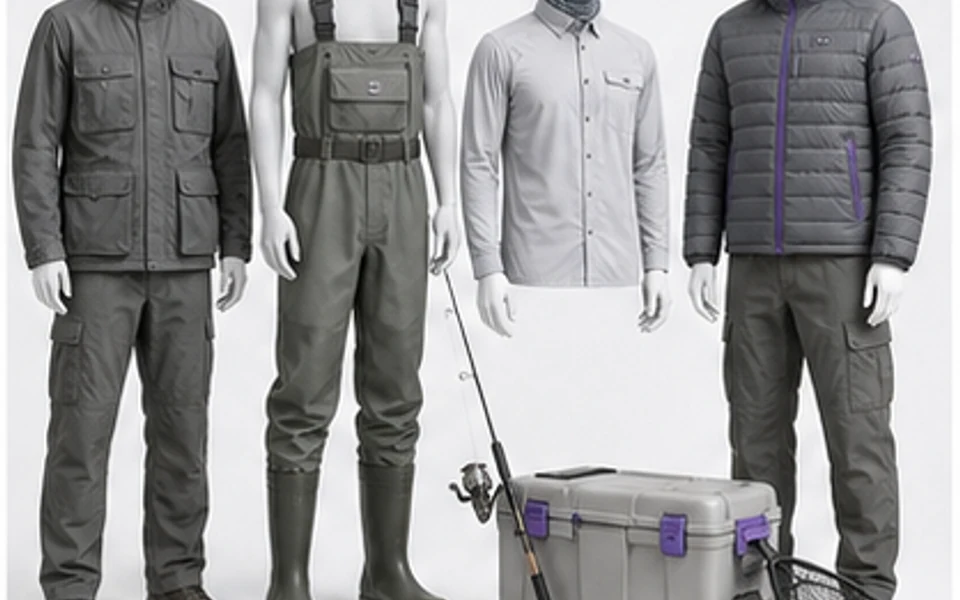
A reviewable photoshoot set should include product-only views, model or mannequin views, pocket and hardware closeups, fabric detail, weather context, and scale under a pack or gear system.
Product copy should not invent waterproofing, breathable membrane, warmth rating, quiet fabric, scent control, recycled content, abrasion resistance, blaze orange compliance, or field-safety claims without evidence.
Marketplace readiness depends on consistent titles, descriptions, images, size, color, material, variants, price, availability, shipping, returns, care, and landing-page facts.
SEO and GEO value comes from practical hunting wear language, answer-ready summaries, internal links, alt text, Product structured data awareness, and clear claim-review guidance.
Practical guide
Start with season, terrain, and jacket type
A credible hunting jacket concept starts with the field use case. Early-season bow hunting, cold tree-stand sitting, upland walking, mountain glassing, wet brush, waterfowl weather, and fishing crossover all need different silhouettes, fabrics, pocket access, insulation, and photoshoot scenes.
The brief should define whether the product is a softshell, hardshell, insulated puffy, blaze-orange jacket, upland jacket, mid-layer fleece, tree-stand jacket, mountain shell, or foul-weather crossover. Each category changes hood size, collar height, hem length, pocket map, venting, cuffs, and layering expectations.
Ayzelify works best when the prompt gives product constraints instead of only a style request. State the buyer, terrain, season, shell fabric direction, camo or solid color, pocket map, hood treatment, required views, and the claims that still need review.
Build the jacket around pocket and gear access
Hunting jacket buyers compare pockets because pockets reveal whether the product understands field use. Chest pockets, handwarmer pockets, interior pockets, rangefinder access, radio pockets, shell loops, game pockets, zipper garages, storm flaps, and pack-friendly placement all change buyer confidence.
A good photoshoot set should show the pocket system clearly. Product-only front and side views are useful, but detail crops make the difference: zipper puller, glove-friendly opening, flap coverage, pocket depth, reinforcement, and whether the pocket remains accessible when a pack strap crosses the chest.
Generated outputs should be labeled by purpose during review: concept image, product-only front, pocket-detail view, cuff-detail view, hood-up model view, fabric-detail view, layering view, or outdoor campaign scene. That keeps campaign mood separate from specification evidence.
Treat weather, warmth, and visibility as claim-review fields
Outdoor jacket copy becomes risky when visual mood turns into unverified performance language. A generated rainy scene does not prove waterproof construction. A snow scene does not prove a warmth rating. A brushed-looking fabric does not prove quietness. A blaze-orange colorway does not prove compliance with local hunting visibility requirements.
Separate intent from evidence. The concept can say hardshell rain direction, insulated cold-weather direction, quiet softshell direction, or blaze-orange variant for review. Public copy should wait for supplier facts: membrane, coating, seam sealing, water column if tested, breathability if tested, fill type, fill weight, fabric composition, care, and target jurisdiction.
FTC textile guidance is also relevant for jackets because shell, lining, interlining, filling, and sections may need clear disclosure depending on product structure and claims. Care instructions should be reviewed before the product moves from concept to listing.
Create ecommerce views that match product data
Search, shopping, and buyer trust depend on consistency. If the images show a camo insulated hunting jacket with hood, chest pockets, and adjustable cuffs, the title, description, size, color, material, variant, care, price, availability, shipping, return policy, and structured data should describe that exact jacket.
Google Product structured data guidance and Merchant product data guidance both point to the same operational rule: product pages, feeds, and visible content should not contradict each other. For apparel, size, color, material, variants, shipping, returns, and landing-page accuracy are part of the product system.
Ayzelify can help create titles, descriptions, image alt text, feature bullets, gallery captions, and FAQ answers from the approved concept. The strongest workflow still has a merchandiser or supplier compare every copy field against the real sample or approved specification before publishing.
Move approved hunting jacket concepts into production and photoshoot assets
Once the visual direction is approved, the jacket still needs a production handoff. Tech-pack notes should cover shell, lining, insulation, membrane or coating if any, pocket construction, zipper lengths, trims, cuffs, hood pattern, drawcords, labels, measurements, size grading, packaging, and QC checks.
Photoshoot planning should cover product-only views, model or mannequin presentation, field context, pocket and fabric detail, hood-up and hood-down views, layering under a vest or pack, and weather context. Keep every image tied to a claim-review status so the sales team knows what can be said publicly.
Ayzelify is strongest when the same hunting jacket direction feeds concept design, product photoshoot, listing copy, catalog output, and production review. That keeps the product story aligned from the first generated concept to the buyer-facing page.
Common questions
What should a hunting jacket product design workflow include?
It should include the jacket type, season, terrain, shell fabric, lining, insulation, hood, collar, pockets, cuffs, hem, zipper, weather context, camo or visibility direction, model views, detail views, listing fields, and claim-review status.
Can AI-generated hunting jacket photos be used directly in ecommerce listings?
They can support concepts, photoshoot planning, catalog assets, ads, buyer presentations, and reviewed listing assets, but the final page should not misrepresent fabric, waterproofing, warmth, care, fit, stock status, compliance, or the actual product being sold.
Which views are useful for hunting jacket product pages?
A useful gallery includes front, back, side, hood-up, open-front or lining view, pocket closeups, cuff and hem detail, zipper or storm-flap macro, fabric texture, model scale, layering view, and outdoor context.
What hunting jacket claims need human approval?
Waterproofing, breathability, windproofing, quiet fabric, warmth rating, scent control, blaze-orange compliance, recycled content, abrasion resistance, flame resistance, antimicrobial finish, durability, origin, and care instructions should be verified before publication.