What is an AI gymwear design generator?
It is a tool for creating activewear concepts, leggings, sports bras, training tops, matching sets, fit-focused visuals, movement poses, product views, and listing assets from a gymwear-specific product brief.

Guide page
Gymwear is sold through fit, fabric behavior, movement, and confidence. A pair of leggings, a sports bra, a stringer tank, a training tee, or a gym short has to look good in product-only views, but it also has to make sense on a body in squat, hinge, stretch, run, and studio poses. Activewear buyers compare rise, compression, waistband, opacity, seam placement, length, support level, coverage, color, and fabric hand before they trust a listing. Google Product structured data guidance shows why ecommerce pages should keep product details such as price, availability, shipping, returns, images, variants, and apparel sizing consistent. Google Merchant product data guidance also says accurate and correctly formatted product data is essential for successful ads, free listings, and avoiding disapprovals or display issues. FTC apparel guidance adds the physical-product layer: textile and wool products generally need labels for fiber content, country of origin, and responsible business identity, while care labeling guidance says manufacturers and importers must attach care instructions to garments. This guide explains how activewear brands, fitness apparel suppliers, Sialkot exporters, Shopify teams, Alibaba sellers, and marketplace operators can use Ayzelify AI Gymwear Design Generator to create reviewable gymwear concepts and move approved directions into photoshoot, listing, tech-pack, and buyer-ready assets without inventing fabric, fit, performance, sustainability, or labeling claims.
An AI gymwear design generator is useful when it treats activewear as fit-sensitive apparel: silhouette, rise, waistband, support, stretch, opacity, seams, coverage, fabric behavior, size range, movement views, and marketplace data all need review. Ayzelify can generate gymwear concepts and commerce assets, but final fabric content, care instructions, size chart, performance claims, opacity, support level, and production details need human approval.
Gymwear design needs category-specific structure: silhouette, fit, rise, waistband, compression, coverage, support level, seam placement, fabric behavior, and movement presentation.
A reviewable AI output should show the product in both product-only and movement-led views so buyers can evaluate fit, scale, and real-use context.
Activewear copy should not invent fabric composition, sweat-wicking, squat-proof opacity, compression, support, recycled content, or durability claims without proof from the manufacturer.
Marketplace readiness depends on consistent titles, descriptions, images, size, color, material, pattern, price, availability, shipping, returns, care, and label facts.
SEO and GEO value comes from clear internal links, FAQs, alt text, structured data awareness, and buyer-specific gymwear language rather than generic fashion prompts.
A credible gymwear concept starts with the activity and the garment structure. Leggings need rise, inseam, waistband, gusset, seam path, opacity review, and stretch context. A sports bra needs neckline, strap, support, coverage, band, cup treatment, and back view. A training tee or stringer needs fit, sleeve or armhole, hem, and fabric behavior.
The brief should state whether the product is for yoga, strength training, running, studio fitness, bodybuilding, athleisure, modest activewear, or private-label ecommerce. Each use case changes fit, coverage, movement, and listing language.
Ayzelify works best when the product is treated as activewear with buyer and production review behind it, not as a generic fashion outfit.
Gymwear buyers need more than a flat image. They want to understand how leggings, bras, tops, shorts, hoodies, and sets read in motion: squat, hinge, stretch, run, side profile, back view, and on-model studio presentation.
Movement views should support review, not create unsupported claims. A squat pose can help teams inspect visual coverage, but it does not prove a fabric is squat-proof. A training pose can show silhouette and scale, but it does not prove compression or support performance.
The safest workflow is to label generated outputs as concept, product-view, movement-view, or campaign-view assets before the images reach a buyer or marketplace.
Activewear concepts should make room for production facts: fabric blend, stretch direction, GSM, handfeel, opacity, compression, recovery, flatlock or coverstitch seams, mesh panels, pockets, waistband height, gusset shape, support level, and care instructions.
Those facts should not be guessed in public copy. If the concept says recycled nylon, sweat-wicking, antimicrobial, high compression, or medium support, the supplier should have documentation or testing to back it up.
For US-facing apparel, FTC guidance around textile labels and care labels is a useful reminder: fiber content, country of origin, responsible business identity, and care instructions are not optional marketing decoration.
A strong gymwear gallery should include product-only front and back views, on-model hero, side profile, movement pose, waistband or neckline closeup, seam closeup, fabric texture, color variant, and social crop.
The listing data has to match those visuals. If the image shows a high-waist pocket legging in sage green, the title, description, color, size, material, pattern, availability, shipping, and return details should describe that exact variant.
Google product guidance makes this operational: structured data and merchant product data should be accurate, complete, and consistent so search and shopping surfaces can understand the item.
After the visual direction is approved, the product still needs a production handoff. Tech-pack notes should cover shell fabric, lining if any, waistband, bra band, straps, seams, pockets, trims, labels, measurements, size grading, packaging, QC checks, and sample comments.
Marketplace copy should be specific: product title, fit, activity, size range, color, customization options, image alt text, shipping context, care context, and reviewed claims. Inaccurate or conflicting product data can create buyer confusion and platform eligibility problems.
Ayzelify can connect the gymwear design direction with listing, photoshoot, and tech-pack workflows, but final approval should stay with the supplier, merchandiser, production team, marketplace owner, and claim reviewer.
Use Ayzelify to generate leggings, sports bras, training tops, activewear sets, movement photos, listing copy, tech-pack notes, and buyer-ready launch assets with review gates for fabric, fit, care, and claims.
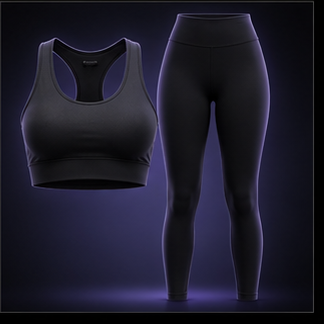
It is a tool for creating activewear concepts, leggings, sports bras, training tops, matching sets, fit-focused visuals, movement poses, product views, and listing assets from a gymwear-specific product brief.
No. Ayzelify can help plan and visualize those claims, but squat-proof opacity, sweat-wicking, compression, support, durability, recycled content, and fabric composition must be confirmed by the supplier, testing, or product documentation.
Include product type, activity, silhouette, rise, inseam, waistband, support level, coverage, fabric assumptions, seam placement, color, logo zones, size range, buyer market, model view, and marketplace channel.
Review fabric content, care instructions, label facts, size chart, fit claims, opacity, support, logo rights, price, availability, shipping, alt text, structured data, and whether images match the real product.
Use Ayzelify to generate product visuals, ecommerce content, and buyer-ready assets, then review every output before publishing.