What is an AI MMA shorts design generator?
It is a tool for creating fight shorts concepts, waistband and closure ideas, sponsor placement maps, colorways, product visuals, and listing assets from an MMA-specific product brief.

Guide page
MMA shorts are not generic gym shorts. They sit inside a fightwear category where waistband security, hem length, stretch panels, side splits, compression or board-short construction, sponsor placement, color context, and safety review all affect whether a design looks credible. Official Unified Rules of MMA published by the Association of Boxing Commissions say trunks should not extend below the knee and should not have exposed Velcro, pockets, or zippers. IMMAF amateur equipment guidance also treats MMA shorts or compression shorts as required apparel and calls out no pockets, zips, fasteners, foreign substances, or external lace-up waistbands. Google Product structured data and Merchant Center guidance add the ecommerce layer: product pages and feeds should keep titles, descriptions, images, variants, price, availability, shipping, return policy, size, and color data consistent. This guide explains how MMA brands, fightwear suppliers, Sialkot exporters, and marketplace sellers can use Ayzelify AI MMA Shorts Design Generator to create reviewable fight shorts concepts and move approved directions into photoshoot, listing, tech-pack, and buyer-ready assets without claiming rule approval, performance proof, or marketplace eligibility that has not been verified.
An AI MMA shorts design generator is useful when it treats fight shorts as a technical fightwear product: above-knee length, secure waistband, no exposed unsafe closures, mobility panels, side-split or compression context, sponsor zones, size range, and marketplace-ready product views. Ayzelify can generate MMA shorts concepts and commerce assets, but final competition legality, logo rights, material claims, measurements, and product data still need human review.
MMA shorts need category-specific structure: waistband, above-knee hem, stretch gusset, side split, paneling, closure safety, sponsor zones, and compression or board-short context.
Competition-facing concepts should be reviewed against the intended ruleset. ABC Unified Rules and IMMAF guidance both restrict unsafe pockets, zips, fasteners, exposed Velcro, and external lacing in relevant contexts.
A good AI output should become a product package: front, back, side, waistband closeup, hem detail, sponsor map, movement view, listing copy, and tech-pack checklist.
Fight shorts visuals should not invent federation approval, athlete endorsement, fabric composition, antimicrobial finish, grip technology, recycled material, or durability claims without supplier proof.
SEO and GEO value comes from consistent titles, alt text, FAQs, internal links, Product structured data awareness, and marketplace fields that match the visible shorts.
A credible MMA shorts concept starts with length, waistband, internal drawcord, closure treatment, side split, gusset, stretch panel, hem finish, compression liner, and sponsor layout. Without those details, output can drift into basketball shorts, running shorts, board shorts, underwear, or Muay Thai shorts.
The brief should state whether the product is a professional-style fight short, amateur kit, no-gi grappling short, academy uniform, retail training short, or fighter merchandise. Each use case changes color, decoration, fit, safety, and listing language.
Ayzelify works best when the product is treated as fightwear with production review behind it, not as a generic pair of athletic shorts.
Competition-facing shorts should be reviewed against the intended rule body before sampling or publication. ABC Unified Rules guidance limits trunk length below the knee and restricts exposed Velcro, pockets, and zippers. IMMAF amateur guidance also restricts pockets, zips, fasteners, foreign substances, and external lace-up waistbands.
Those constraints should shape the concept early. A retail training short can explore broader materials or colorways, but it should not be described as competition-ready unless the team has checked the actual event rules and inspection standards.
The safe workflow is to label each generated concept as competition-facing, training-only, no-gi grappling, merch, or concept-only before it reaches buyers.
MMA shorts branding is usually built around the waistband, leg panels, side split, hem mark, back yoke, liner label, and sponsor hierarchy. It is different from a rashguard all-over print and different from a team jersey sponsor layout.
Before generating, define which logos are approved, which sponsor marks are allowed, which athlete or academy identity can appear, and whether the shorts need corner-color clarity or retail brand expression.
If a logo is involved, it should be used with permission and integrated naturally into the garment render. A pasted mark over a finished image is not a production-ready fightwear concept.
One hero render is not enough for fight shorts commerce. Buyers need front, back, side, waistband closeup, hem detail, side-split detail, movement view, product-only catalog shot, and a realistic cage or mat context where appropriate.
Those views keep listing copy honest. If the images show a stretch gusset, internal drawcord, compression liner, sponsor placement, or side-panel artwork, the title, bullets, attributes, size chart, and tech-pack notes should match.
Product structured data and Merchant Center guidance make the same point for ecommerce: titles, descriptions, images, size, color, variants, shipping, returns, price, and availability need to stay consistent across the page and feed.
After the visual direction is approved, the product still needs a production handoff. Tech-pack notes should cover shell fabric, stretch panel, waistband, drawcord, closure, side split, liner, labels, sponsor artwork, measurements, size grading, packaging, QC checks, and sample comments.
Marketplace copy should be specific: product title, material notes, size range, color, customization options, image alt text, shipping context, and reviewed claims. Inaccurate or conflicting product data can create buyer confusion and platform eligibility problems.
Ayzelify can connect the MMA shorts design direction with listing, photoshoot, and tech-pack workflows, but final approval should stay with the supplier, merchandiser, production team, marketplace owner, and event-rule reviewer.
Use Ayzelify to generate fight shorts concepts, waistband and closure details, sponsor placement ideas, marketplace visuals, listing copy, tech-pack notes, and buyer-ready launch assets with a review gate before sampling or publishing.
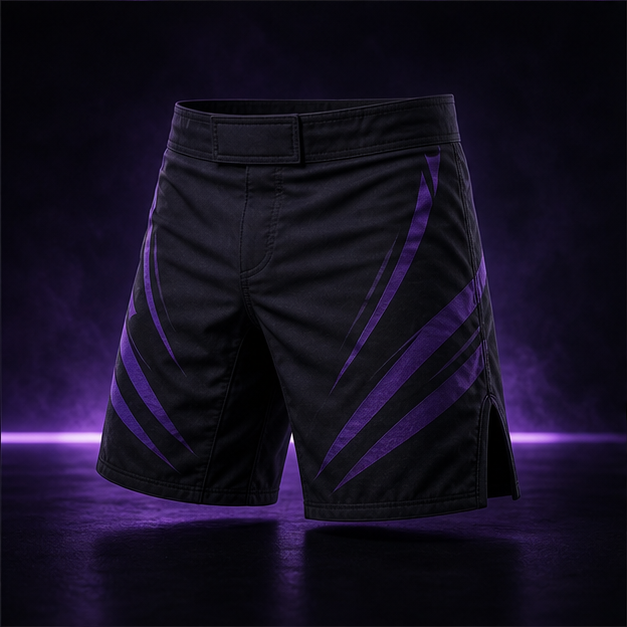
It is a tool for creating fight shorts concepts, waistband and closure ideas, sponsor placement maps, colorways, product visuals, and listing assets from an MMA-specific product brief.
Ayzelify can help generate competition-aware concepts, but it does not certify approval. Final compliance must be checked against the intended ruleset, event body, measurements, closures, colors, logos, and inspection requirements.
Include purpose, length, waistband, internal drawcord, closure approach, side split, gusset, stretch panel, liner, color, sponsor zones, logo rights, size range, buyer market, and whether the design is competition-facing.
Review rule fit, unsafe closures, material and construction claims, logo rights, sponsor permissions, size chart, price, availability, shipping, alt text, structured data, and whether images match the real product.
Use Ayzelify to generate product visuals, ecommerce content, and buyer-ready assets, then review every output before publishing.