What is an AI BJJ gi design generator?
It is a tool for creating BJJ kimono concepts, patch placement ideas, colorways, weave and collar directions, product visuals, and listing assets from a fightwear-specific product brief.
Guide page
A BJJ gi is not a generic martial arts robe. It is a combat-sports product with a woven jacket, pants, collar structure, sleeve opening, patch zones, reinforcement, belt context, fit rules, and marketplace presentation needs. If the design is meant for competition, the review should start with current event rules. IBJJF uniform guidance says gi fabric should be cotton or cotton-like woven fabric, not so thick or hard that it prevents gripping, and it limits gi colors to white, royal blue, or black for IBJJF use. It also restricts patches to authorized regions and includes inspection measurements for lapel thickness, collar width, sleeve opening, sleeve length, and pant length. Google Product structured data guidance shows why ecommerce pages should keep apparel sizing, shipping, return policy, price, availability, and variant information consistent. Google Merchant Center product data guidance also warns that inaccurate, missing, or conflicting product data can cause display and eligibility problems. This guide explains how BJJ gear suppliers can use Ayzelify AI BJJ Gi Design Generator to create reviewable gi concepts, then move approved directions into photoshoot, listing, tech-pack, and buyer-ready assets without pretending AI output is competition approval or factory proof.
An AI BJJ gi design generator is useful when it treats the gi as a structured fightwear product: jacket, pants, weave, collar, sleeve opening, reinforcement, patch zones, belt context, size range, and marketplace presentation. Ayzelify can generate BJJ gi concepts and commerce assets, but final competition legality, fabric, measurements, patches, logo rights, and production details need human review against current rules and supplier capability.
BJJ gi design needs category-specific structure: jacket, pants, collar, lapel, sleeve opening, weave, reinforcements, belt, and patch placement all affect product credibility.
Competition-facing concepts should be reviewed against current event rules. IBJJF guidance limits colors, material type, patch placement, and inspection measurements for regulated use.
A good AI output should become a product package: front, back, side, closeup, patch map, weave note, size context, listing copy, and tech-pack review checklist.
Gi visuals should not invent certification, rank, academy rights, sponsor marks, weave GSM, origin, or performance claims without proof from the manufacturer or event body.
SEO and GEO value comes from consistent product titles, alt text, FAQs, internal links, Product structured data, size information, and marketplace fields that match the visible gi.
A BJJ gi concept should identify the jacket, pants, collar, lapel, sleeve opening, pants reinforcement, weave, belt context, and patch policy. Without those details, the output can drift toward a karate uniform, judo gi, bathrobe, fashion kimono, or team-sport costume.
The brief should state whether the product is a competition-minded gi, academy training gi, premium private-label gi, kids gi, women-specific fit, or lifestyle collab. Each use case changes the acceptable color, decoration, sizing, and marketplace copy.
Ayzelify works best when the BJJ gi is treated as a fightwear product with production review behind it, not as a single decorative image.
If the gi is intended for regulated competition, visual design has to respect the current event body. IBJJF guidance covers material, approved color families, patch placement, sleeve and pant measurements, lapel thickness, collar width, and sleeve opening.
Those checkpoints should guide the concept before the design becomes a sample or listing. A black fashion gi with contrast collar, large all-over artwork, or unauthorized patches may be useful for non-competition merchandise, but it should not be described as competition-ready unless the team has verified the rules.
The safe workflow is to generate options, then mark each output as competition-facing, training-only, academy merchandise, or concept-only before it reaches buyers.
BJJ gi branding is usually controlled and tactile: chest patch, shoulder patch, back patch, skirt label, pant-leg mark, neck label, contrast stitching, or inner lining. It is not the same as sublimating an entire rashguard or placing a jersey sponsor panel across the torso.
Before generating, define which logo files are approved, where patches are allowed, whether embroidery or woven patches are feasible, and whether the buyer wants minimal academy identity or a more visible private-label product.
If logos are involved, they should be used only with permission and reviewed in the actual product context. Do not paste, watermark, or float a logo over a finished render; regenerate the product with the branding naturally integrated.
A single hero render is not enough for BJJ gi commerce. Buyers need front, back, side, collar closeup, weave closeup, pants detail, patch closeup, folded catalog shot, and on-body mat context where appropriate.
Those views help the listing copy stay honest. If the image shows a pearl-weave style jacket, reinforced knees, rope drawcord, contrast stitching, or specific patch layout, the title, bullets, attributes, size chart, and tech-pack notes should match.
Google product guidance reinforces this operating rule: product pages and merchant data should give consistent product information, especially for apparel sizing, variants, price, availability, shipping, and return details.
After the visual direction is approved, the product still needs a production handoff. Tech-pack notes should cover fabric, weave, collar, stitching, reinforcement, measurements, size grading, label set, patch placement, packaging, QC checks, and sample comments.
Marketplace copy should be equally specific: product title, material notes, size range, color, use case, customization options, image alt text, shipping context, and reviewed claims. Inaccurate or conflicting product data can create buyer confusion and platform eligibility issues.
Ayzelify can connect the gi design direction with listing, photoshoot, and tech-pack workflows, but the final approval should stay with the supplier, merchandiser, production team, and marketplace owner.
Use Ayzelify to generate BJJ gi concepts, patch placement ideas, weave and collar directions, marketplace visuals, listing copy, tech-pack notes, and buyer-ready launch assets with a review gate before sampling or publishing.
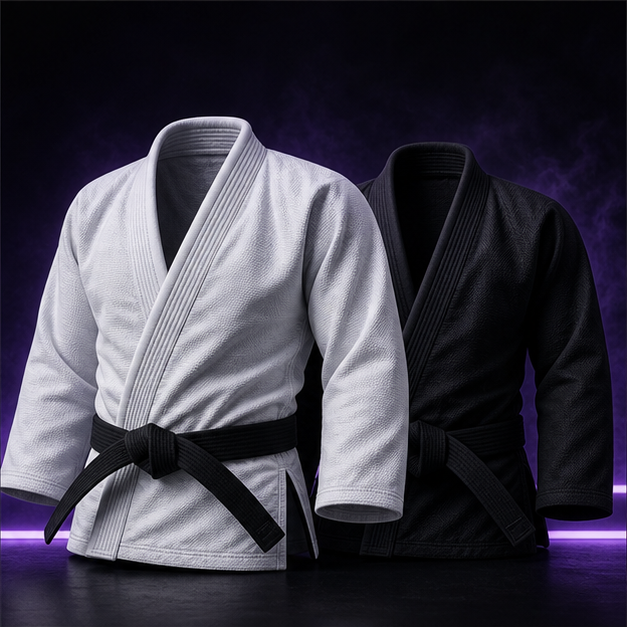
It is a tool for creating BJJ kimono concepts, patch placement ideas, colorways, weave and collar directions, product visuals, and listing assets from a fightwear-specific product brief.
Ayzelify can help generate competition-aware concepts, but it does not certify approval. Final IBJJF or event compliance must be checked against current rules, measurements, patch zones, fabric, and inspection requirements.
Include purpose, color, jacket cut, pants type, weave, collar, sleeve opening, lapel target, reinforcement, patch zones, embroidery, size range, buyer market, and whether the design is competition-facing.
Review material and construction claims, competition rules, logo rights, patch placement, measurements, size chart, price, availability, shipping, alt text, structured data, and whether images match the real product.
Use Ayzelify to generate product visuals, ecommerce content, and buyer-ready assets, then review every output before publishing.