Ayzelify home
Guide page
Beauty Product Listing Workflow for Tool Sellers
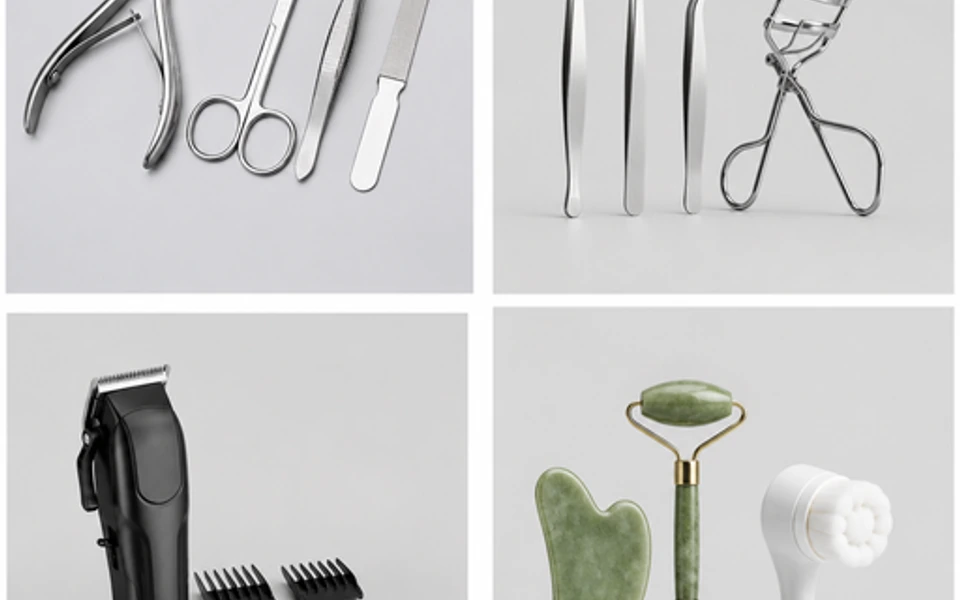
Beauty tool listings need more than clean product photos. Buyers compare tweezers, lash curlers, nail clippers, cuticle pushers, manicure sets, pedicure tools, facial rollers, gua sha tools, cleansing brushes, barber scissors, trimmers, combs, spa tools, tattoo tools, piercing tools, and grooming accessories by finish, shape, grip, scale, edge detail, packaging, hygiene language, material wording, and premium presentation before they decide whether the product is retail-ready. Google Product structured data guidance shows why ecommerce pages should keep product facts, images, offers, availability, shipping, returns, reviews, and variants consistent when pages are eligible for richer search presentation. Google Merchant product data guidance also treats title, description, image, material, condition, availability, and landing-page consistency as operational inputs for shopping visibility. Beauty tools add a claim-review layer: sellers should avoid unsupported statements about medical results, skin treatment, sterilization, hypoallergenic performance, professional certification, material grade, or safety outcomes unless documentation supports them. This guide explains how beauty exporters, tool manufacturers, Sialkot suppliers, private-label brands, Shopify sellers, Alibaba suppliers, Amazon operators, salons, and B2B catalog teams can use Ayzelify AI Beauty Product Listing Generator to make small tools look precise, clean, premium, and buyer-ready without inventing regulated or performance claims.
Create beauty listings
Why this matters
Beauty tool listings need clear product geometry, finish, grip, size, edge detail, packaging, and hygiene-safe language because buyers inspect small tools closely.
A useful image set should include white-background product views, macro details, scale views, kit layouts, packaging views, and selective lifestyle context.
Product copy should not invent stainless-steel grade, hypoallergenic performance, sterilization, medical benefits, skin-treatment outcomes, salon certification, or safety claims without proof.
Marketplace readiness depends on consistent titles, descriptions, images, material fields, color, size, included items, condition, availability, shipping, returns, and landing-page facts.
SEO and GEO value comes from precise beauty-tool language, answer-ready summaries, internal links, alt text, Product structured data awareness, and practical claim-review guidance.
Practical guide
Start with the exact beauty tool category
A beauty listing should begin with the product family. Lash curlers, tweezers, brow scissors, manicure tools, pedicure tools, facial rollers, gua sha tools, cleansing brushes, barber scissors, trimmers, combs, spa tools, tattoo tools, piercing tools, and retail kits all need different image and specification priorities.
The brief should separate confirmed facts from review fields. SKU, dimensions, material, finish, color, grip, included items, packaging, and buyer channel are practical starting points. Hygiene, skin-contact, safety, professional-use, and performance claims should stay under review until documentation supports them.
Ayzelify works best when the product brief states the exact tool type, required views, target marketplace, retail positioning, and claims that must not be generated as facts.
Make small tools readable with clean product views
Small beauty tools can look cheap online if the listing hides shape, scale, surface finish, or tip detail. A clean white-background gallery should show the full product before any lifestyle, salon, or spa context.
For tools that depend on precision, macro detail matters. Tweezer tips, scissor edges, clipper blades, cuticle pusher ends, lash curler pads, brush heads, roller surfaces, hinge action, grip texture, and comb spacing should be visible enough for buyer review.
Generated visuals should be compared against the real sample or approved product file. A strong macro image can show the tool clearly, but it does not prove material grade, hygiene status, hypoallergenic performance, or salon-grade quality.
Use kit layouts and packaging to increase buyer confidence
Beauty buyers often care about what arrives in the box. A single product hero should be supported by kit layouts, included-item views, retail packaging, pouch or case views, label references, and size context when available.
This is especially important for manicure sets, pedicure tools, grooming kits, lash kits, spa tools, and private-label bundles. The page should make the included items and packaging clear without requiring buyers to decode the description.
For B2B sellers, packaging images also support private-label conversations. Buyers can evaluate whether the set feels giftable, salon-ready, retail-ready, or suitable for marketplace fulfillment.
Keep benefit language useful but claim-safe
Beauty listings should explain buyer value without overstating the product. Describing grip, size, finish, included items, storage case, travel use, salon use, or routine fit is safer than inventing clinical, safety, or guaranteed performance claims.
Google Product structured data and Merchant product data guidance both point toward consistent product facts across the page, feed, images, and buyer-facing content. That means the title, description, material field, image alt text, variants, price, availability, shipping, and returns should describe the same SKU.
Beauty and personal-care tools need extra review when copy implies medical benefit, skin treatment, sterile status, dermatologist approval, or professional certification. Ayzelify should help organize listing content, not turn unverified claims into published product facts.
Move approved content into marketplace and catalog workflows
After review, the seller can convert the approved listing into channel-specific assets: Shopify pages, Alibaba listings, Amazon-style product copy, Etsy descriptions, distributor catalog entries, quote sheets, and buyer presentations.
The image set should travel with the specification package. Hero image, full view, angled view, macro details, scale image, kit layout, packaging image, SKU notes, included items, MOQ, lead time, sample comments, and claim-review status should be available to sales and catalog teams.
This keeps Ayzelify useful beyond one product page. The same structured beauty-tool brief can support search pages, answer-engine summaries, RFQ pages, internal links, and repeatable catalog workflows for large tool ranges.
Common questions
What should a beauty product listing workflow include for tool sellers?
It should include the beauty tool family, SKU, dimensions, material, finish, included items, product-only images, macro detail views, packaging or kit images, structured specifications, claim-safe copy, and review status for hygiene, skin-contact, performance, and professional-use claims.
Can AI-generated beauty tool images be used directly in ecommerce listings?
They can support listing drafts, gallery planning, catalog assets, buyer presentations, and reviewed ecommerce content, but the final page should not misrepresent the exact SKU, material, finish, included items, packaging, hygiene status, safety, or product performance.
Which image views matter most for beauty tools?
Useful views include a clean product hero, top-down or front view, angled view, side profile, tip or edge macro, hinge or spring detail, grip or handle detail, surface finish closeup, scale view, kit layout, packaging image, and label reference when available.
What beauty tool claims need human approval?
Material grade, hypoallergenic wording, sterile status, disinfectable or washable claims, professional-grade claims, dermatologist-approved language, FDA or CE wording, skin-treatment outcomes, anti-aging claims, pain-relief claims, and safety guarantees should be verified before publication.