Ayzelify home
Guide page
B2B Product Content for Manufacturers: What Buyers Need Before They Ask for a Quote
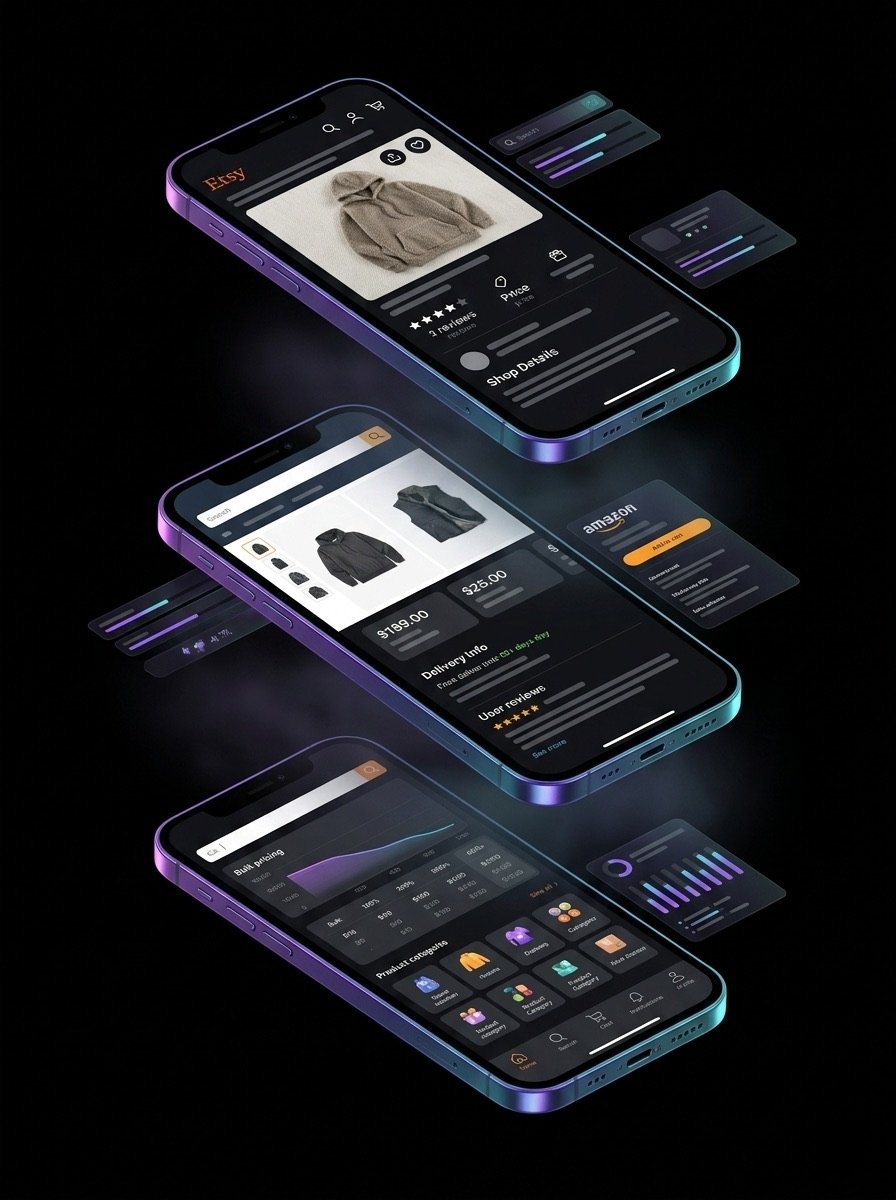
B2B buyers rarely start with a blank RFQ. They research product categories, compare supplier pages, inspect photos, scan specifications, and look for signs that the manufacturer can answer basic questions clearly. Google product structured data and ecommerce structured-data guidance both treat product facts as part of how product pages can be understood, while Alibaba product-posting guidance shows how marketplace listings depend on organized product names, images, categories, attributes, prices, logistics, and descriptions. For manufacturers and export teams, the lesson is simple: better pre-RFQ content makes the first buyer conversation sharper. Ayzelify helps turn factory knowledge, product references, sample photos, and listing notes into buyer-ready visuals, specification blocks, marketplace content, and sales snippets for review before publishing.
Prepare buyer-ready product content
Short answer
Manufacturers should prepare clear product images, specifications, materials, sizes, customization options, MOQ and sample notes, packaging details, use cases, marketplace fields, and trust-building content before the RFQ arrives so buyers can qualify the offer and ask better questions.
Why this matters
B2B buyers do not only look for a low price. They need to understand whether the manufacturer can make the right product, explain options clearly, support customization, and communicate production limits before the RFQ starts.
Strong pre-RFQ content includes product photos, product views, material options, measurements, size ranges, customization methods, MOQ context, sample notes, packaging direction, lead-time wording, and use cases buyers can scan quickly.
Ayzelify helps export teams turn factory knowledge into product listing copy, buyer-ready visuals, specification summaries, marketplace fields, tech-pack style notes, and reusable sales content for review.
The goal is not to replace the RFQ process. The goal is to make the first buyer message more qualified because the buyer already understands the product range, required details, and customization boundaries.
Before publishing, sales and production teams should review every claim so product pages do not overpromise materials, certifications, lead times, availability, customization, or production outcomes.
Practical guide
B2B buyers research before they ask for a quote
Many buyers do not begin with an RFQ form. They first compare supplier pages, product photos, category focus, customization options, and how clearly the manufacturer explains its offer.
If the product page only shows a few weak images and vague copy, the buyer has to do extra work before deciding whether the supplier is worth contacting. That creates hesitation before the RFQ even starts.
Pre-RFQ content should answer the first buyer questions: what is the product, who is it for, what options are available, what can be customized, and what information is needed to quote it accurately.
Turn factory knowledge into buyer-facing product facts
Production teams already know the details buyers need: fabrics, GSM or weight ranges, construction methods, logo options, trims, size ranges, packing choices, sample limits, and what usually changes the quote.
The problem is that this knowledge often lives inside chat threads, spreadsheets, salespeople, or factory managers. It needs to become structured content buyers can scan before they write to sales.
Ayzelify can help convert product references and internal notes into descriptions, specification blocks, customization summaries, FAQ drafts, and sales snippets that keep the supplier response consistent.
Show the views and fields buyers need to compare
For apparel and export products, one hero image is not enough. Buyers often need front, back, side, closeup, packaging, material detail, logo placement, size/spec sheet, and sometimes lifestyle or use-case context before they understand the offer.
Marketplace and ecommerce systems also reward organized product information. Google product structured data guidance centers on product facts, while Alibaba product-posting workflows rely on product names, categories, attributes, images, pricing, logistics, and descriptions.
Ayzelify helps teams plan these views and fields together so website pages, Alibaba listings, catalogs, and RFQ follow-ups are built from the same reviewed product facts.
Make quote requirements explicit
A weak RFQ usually lacks the details the factory needs: quantity, size breakdown, fabric target, logo file, decoration method, placement, packaging, delivery country, timeline, and sample expectations.
Good pre-RFQ content can explain what the buyer should provide before asking for a price. That reduces back-and-forth and makes the first sales reply more practical.
This does not mean publishing fixed prices for every manufacturing scenario. It means making the quote inputs visible so buyers understand why the supplier needs certain details before confirming price and lead time.
Review claims before content becomes a promise
Pre-RFQ content builds trust only when it is accurate. Materials, lead times, certifications, customization methods, packaging options, MOQ, sample policies, and commercial terms should be reviewed by the people responsible for delivering them.
Unsupported claims can create buyer disappointment later. The safer workflow is to draft quickly, review with sales and production, then publish only what the team can defend.
Ayzelify is strongest here as a workflow accelerator: it creates drafts, visuals, and reusable content blocks, while the manufacturer keeps control over product truth and commercial commitments.
Common questions
What product content should a manufacturer prepare before an RFQ?
Prepare product photos, key views, specification summaries, materials, size ranges, customization choices, MOQ context, sample requirements, packaging notes, lead-time wording, and the information a buyer must provide for a quote.
Can stronger B2B content replace the RFQ process?
No. Stronger content makes buyers better informed before they ask for a quote, but pricing, sampling, commercial terms, production feasibility, and final specifications still need review.
How can Ayzelify help export teams with B2B content?
Ayzelify helps turn product references and factory knowledge into product descriptions, listing drafts, image directions, specification summaries, FAQs, marketplace fields, and reusable sales content for review.
What details reduce weak RFQs?
Clear material choices, size ranges, customization methods, logo placement limits, MOQ notes, packaging options, sample rules, and quote-request requirements help buyers send more useful RFQs.