Short answer
For beauty-tool listings, build a gallery around buyer questions: show the complete item, the working end, grip or finish, scale, packaging, and each real variant. Write adjacent copy from verified SKU facts so image, title, specifications, and included-items list describe the same product. Ayzelify can help draft photo directions and listing text; sellers should approve visual accuracy and substantiate performance, hygiene, material, and treatment claims before publication.
Why this matters
Plan a different photo sequence for lash, brow, nail, hair, and skin-care tools instead of reusing one generic beauty template.
Pair every image with the product fact it proves: tip, grip, dimensions, finish, kit contents, packaging, or a real variant.
Draft titles and descriptions from a single approved SKU record so copy does not invent materials, benefits, or included accessories.
Use descriptive alt text and relevant captions for image context, following Google Search Central image guidance without repeating keywords.
Keep visible product data and any Product structured data consistent with the actual item, images, variants, and offer details.
Review treatment, skin-effect, sterile, professional, certification, and safety language against evidence and applicable market rules before publishing.
Practical guide
Start with the product the buyer will actually receive
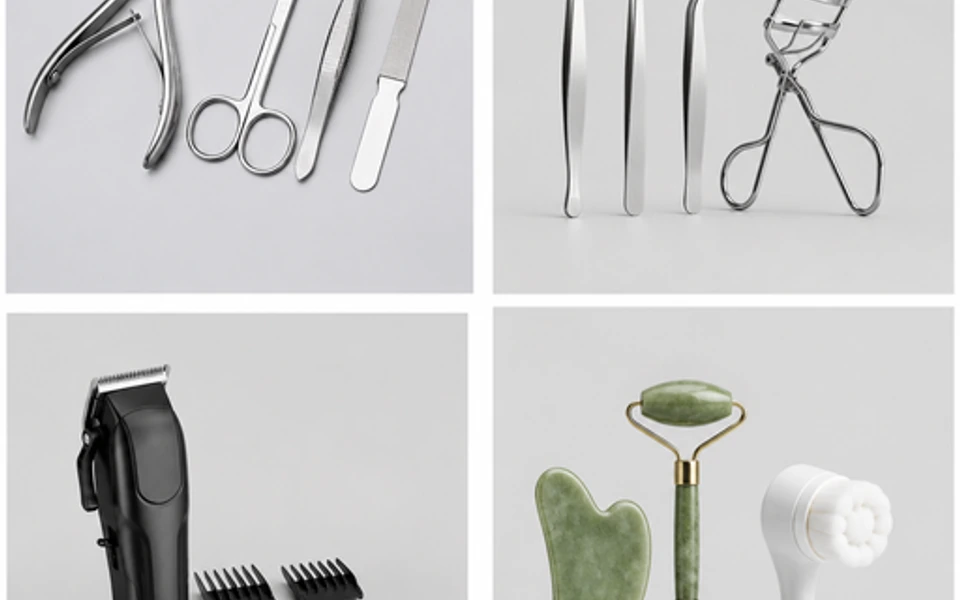
A beauty listing starts before the camera. Record the exact family, SKU, tip or working-end style, length, finish, color, packaging, and included pieces. For a lash curler, record the arc and pad arrangement only if those details are known. For tweezers, note the actual tip profile and dimensions. For a manicure set, list each included item. These facts become the source for both image directions and copy.
Ayzelify can organize a beauty-tool brief and draft a visual plan, but a generated image can drift: a curved tweezer becomes straight, a set gains an extra tool, or a matte finish becomes polished. Compare every image to the approved SKU or a reliable product reference before the asset appears in a live listing. When a visual is exploratory, keep it in concept review rather than presenting it as final merchandise.
Give every gallery image a job
The first image should identify the complete item quickly. The next images should answer questions a buyer cannot resolve from that hero alone: how the working end is shaped, where the fingers sit, how large the tool is, what the finish looks like, and what is included. A side angle may explain a lash curler better than a second front view. A tip macro may be more valuable for brow tweezers than a salon lifestyle scene.
Create a small shot table for each SKU with columns for buyer question, required view, product fact shown, and copy to place near it. For example: tip shape, macro of actual tweezer tip, slanted tip verified in the SKU record, short bullet naming that shape. A caption should explain a visible detail rather than praise the brand. This pairing makes the page easier to scan and easier to audit when a product revision changes the image or description.
Write listing copy from the same SKU record
A clear title identifies the product family and distinguishing variant without promising an outcome. A practical format is brand or collection, tool type, verified tip or head style, size or set count, and finish when those facts help a buyer choose. Below the title, use a short description for the use context, bullets for inspectable attributes, and a specification block for dimensions, included pieces, packaging, and available variants.
Consider a four-piece manicure kit. The hero image can show the closed case and every tool; the copy must state exactly which four pieces are included. A separate macro might show the cutter edge or grip. If one colorway ships in a different case, do not reuse the first colorway's case photo or packing statement. Ayzelify can draft copy variants for a storefront, Alibaba inquiry, or line sheet, while the approved facts remain the same.
Separate visual appeal from proof and claims
Beauty tools can be styled elegantly without making unsupported promises. A hand or salon setting can show context, but the product-only views should remain inspectable. Describe grip, dimensions, finish, replaceable parts, or storage case only when the product record supports them. Avoid turning a visual impression into a material, hygiene, treatment, safety, certification, or guaranteed-performance claim.
This matters especially for skin-contact and spa products. The US FDA explains that cosmetic claims involving treatment, disease prevention, or effects on body structure or function can change how a product is regulated. Tool sellers should also review device or other market requirements when relevant. Ayzelify can flag wording for review and keep a pending-claims column, but the business owner or qualified reviewer must decide what is supportable in each sales market.
Make image context and product data agree
Google Search Central recommends descriptive alt text, meaningful nearby copy, and relevant image context. For a beauty tool, useful alt text names the actual visible item and detail: for example, a slanted tweezer tip in close view. Repeating the primary keyword across every image adds little for the buyer. The hero, macro, kit, and packaging images should each carry a distinct description when they show distinct information.
The product page should also agree with its structured data. A title naming a three-piece set, a gallery showing four pieces, and Product markup describing a different variant create confusion. Google documents Product structured data as a way to supply product information for eligible search features, but the page's visible facts and markup need to reflect the same item. Treat that consistency check as part of the final content review, alongside image dimensions, file format, and mobile readability.
Publish a channel-ready asset set without losing accuracy
A seller may need a clean ecommerce hero, a B2B line sheet, an Alibaba listing, and a social image for the same SKU. Start from one approved brief and gallery, then adapt the format and length. The ecommerce page may emphasize variant selection and specifications. The buyer line sheet may emphasize item code, pack size, and inquiry fields. Social creative may use lifestyle context, but it should still represent the same product or clearly remain a concept.
A useful final review is simple: Can the buyer identify the tool in the first image? Can they inspect the working end? Do the title, detail photos, specifications, kit contents, and selected variant agree? Are claims verified? Can a buyer request the exact item shown? Once those answers are clear, Ayzelify's product photoshoot and listing workflows can help extend the approved content across channels without rewriting the product facts each time.
Common questions
Which photos should a beauty-tool listing include?
Start with a clear full-product view, then show the working end, grip or finish, an honest scale cue, packaging, and the exact included items. Add variant-specific images when colors, sizes, or tip shapes differ.
Can Ayzelify write beauty product listings from photos alone?
A photo is useful context, but the listing should start from an approved SKU brief. Ayzelify can draft titles, bullets, descriptions, and image directions; the seller must verify dimensions, materials, included items, variants, and claims.
How should sellers describe a tweezer or lash tool without overclaiming?
Describe visible or documented facts such as tip shape, length, grip design, finish, and included accessories. Do not add guaranteed results, skin-treatment benefits, sterile status, or material-grade claims without evidence and appropriate review.
Should product photos and listing copy use the same variant details?
Yes. The hero image, detail shots, selected variant, title, specifications, and purchase or inquiry fields should describe the same sellable item. Separate variant images when the product actually changes.