What should a clothing product launch kit include?
Include design concepts, product views, photoshoot directions, listing copy, size and variant notes, campaign creatives, social content, and a review checklist.
Guide page
A clothing launch needs more than one mockup and a product name. Founders need a connected asset stack that explains the design, shows the garment clearly, supports ecommerce listings, prepares campaign creatives, and gives the team enough review checkpoints before launch. In 2026, the best workflow is not to generate random visuals at the end. It is to define the drop, build product images and listing content together, review product truth, and adapt the approved assets for the channels that actually drive sales.
A 2026 clothing product launch kit should include design concepts, front and back visuals, product photoshoot directions, size and variant notes, ecommerce listing copy, marketplace-ready images, campaign creatives, social content, and a human review checklist before publishing.
A launch kit turns a clothing idea into a practical asset stack: design direction, garment views, product photos, listing copy, campaign visuals, social content, and review notes.
The strongest kits are built from real product decisions such as fabric, fit, decoration method, colorways, sizing, pricing context, and audience instead of vague style prompts.
Ayzelify helps clothing founders move from product design to photoshoot concepts, listings, banners, and ad creatives without separating each step into a disconnected tool.
Generated launch assets still need founder review, sample review, production checks, and channel-specific approval before they are treated as final sales material.
A mockup can show an idea, but a launch needs enough assets to help buyers understand the garment and help the team sell it consistently.
That means concept direction, product images, listing copy, campaign visuals, size notes, and review standards should be planned together.
The kit should reflect real choices: garment category, colorways, decoration method, fabric direction, fit, packaging, price, and audience.
Those decisions keep generated assets from drifting into attractive but unusable visuals that do not match what the brand can make or sell.
Before publishing, compare the full launch kit against the actual product plan. A mismatch between ad visuals, product photos, listing copy, and available variants can create buyer confusion.
Ayzelify helps founders create the stack faster, while the final approval should stay with the people responsible for product, brand, and fulfillment.
Ayzelify helps clothing founders create product design concepts, photoshoot directions, listing content, campaign visuals, and reviewable launch assets from one connected workflow.
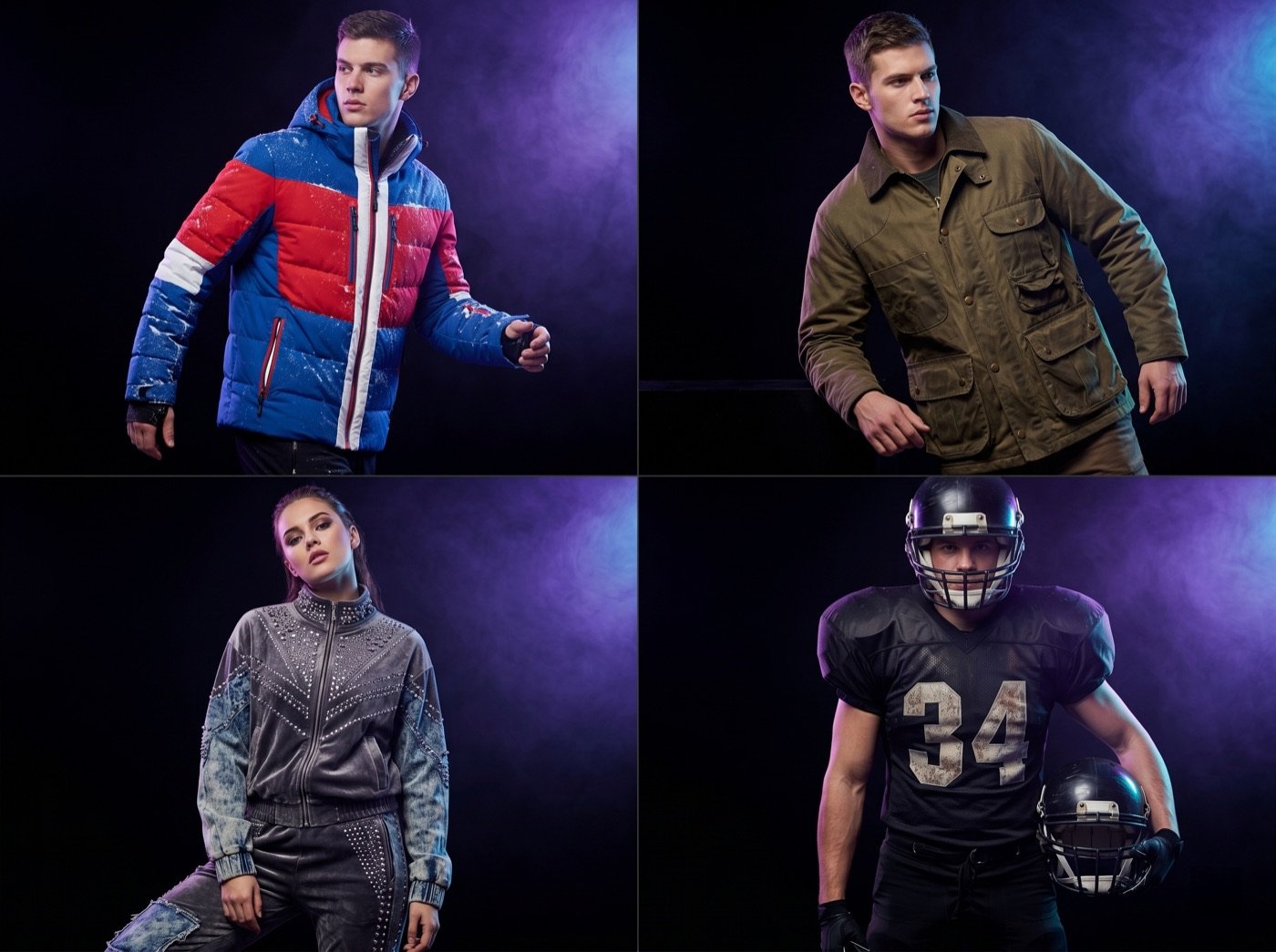
Include design concepts, product views, photoshoot directions, listing copy, size and variant notes, campaign creatives, social content, and a review checklist.
No. Generated visuals can support concept, marketing, and planning work, but samples, fit checks, production files, and final product approval still need human and manufacturer review.
Planning the asset stack early helps founders catch missing product details, weak listing copy, unclear visuals, and inconsistent campaign angles before the launch date.
Yes. Ayzelify workflows can use uploaded product references or brand inputs to generate product-focused visuals for review.
Use Ayzelify to generate product visuals, ecommerce content, and buyer-ready assets, then review every output before publishing.